How to Order Custom Furniture in Bali from Overseas: A Complete Guide
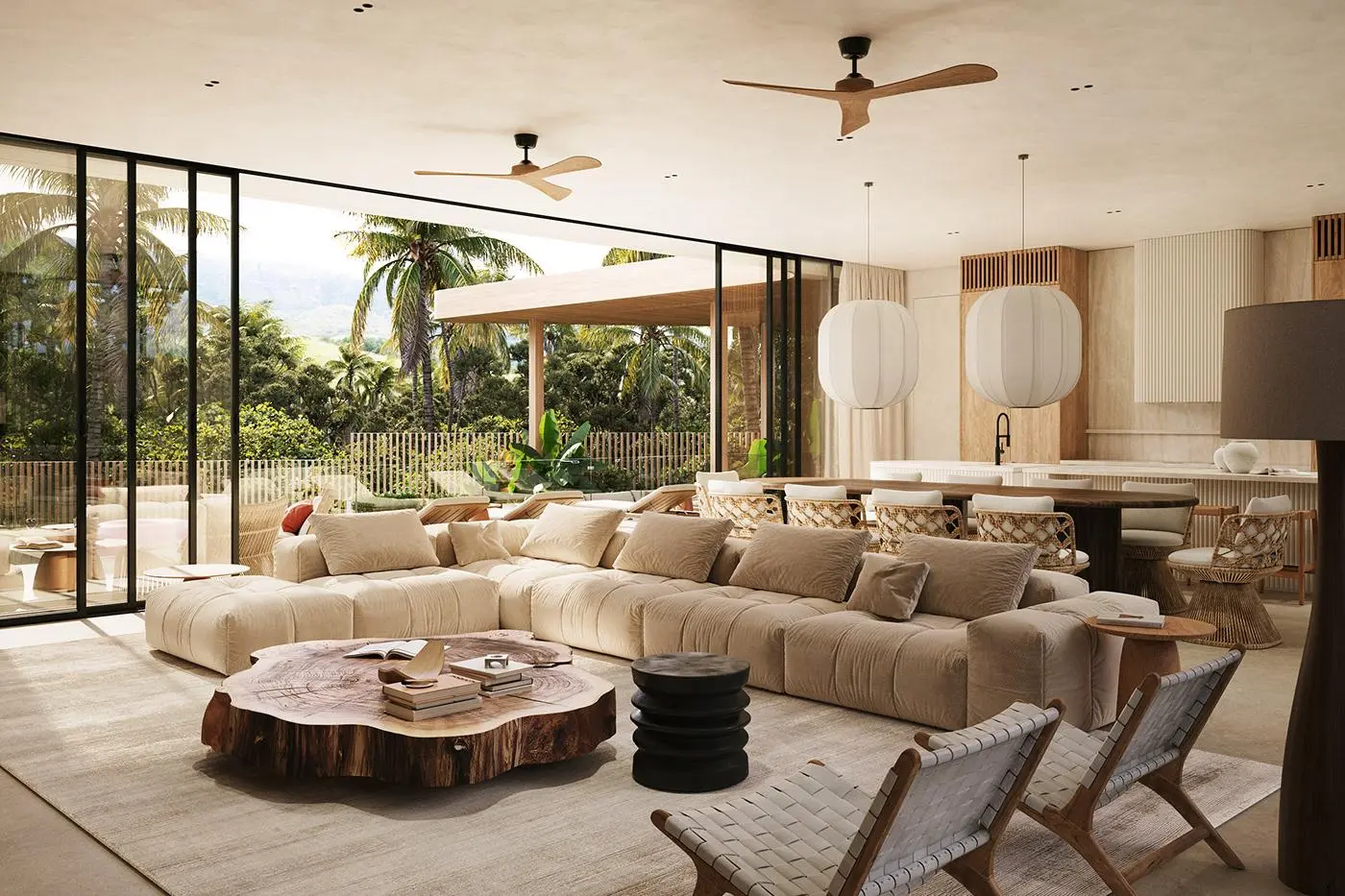
Bali has become a popular destination for private villas, boutique hotels, luxury residences, and hospitality developments. As property owners look for furniture that reflects the island’s distinctive character, custom furniture in Bali offers an opportunity to combine personalized design, functional craftsmanship, and carefully selected materials.
However, ordering furniture while living overseas can raise several questions. How can you communicate your design requirements? What materials should you choose? How long does production take? And how can you arrange delivery to your property?
The good news is that you can begin planning a custom furniture project remotely. With clear specifications, reliable communication, and an experienced furniture manufacturer, the process can be organized even when you are not physically present in Bali.
This guide explains the important steps, from initial consultation to production and delivery.
Order Custom Furniture in Bali / Cakrawala Bali Furniture
Can You Order Custom Furniture in Bali While Living Overseas?
Yes. Overseas property owners can arrange custom furniture projects in Bali remotely by sharing design references, dimensions, material preferences, and project requirements with a local furniture manufacturer.
Read More : Luxury Villa Furniture Bali | Design & Furnishing Guide
The process typically begins with an online consultation, followed by design discussions, quotation approval, production planning, and delivery arrangements.
For international clients, the most important factor is establishing clear communication before manufacturing begins.
This approach is particularly useful for:
- Foreign villa owners developing or renovating properties in Bali.
- International investors managing hospitality projects.
- Architects and interior designers working remotely.
- Hotel and resort developers requiring customized furniture.
- Homeowners seeking furniture designed specifically for their spaces.
Working with a Bali-based furniture manufacturer can also make it easier to coordinate furniture specifications with local construction teams, architects, and property managers.
Step 1: Prepare Your Furniture Design and Project Requirements
Before contacting a furniture manufacturer, gather as much information as possible about your project.
You do not necessarily need professional architectural drawings to begin. Even simple sketches, reference photographs, or a mood board can help communicate your ideas.
Ideally, prepare the following information:
- Property location and type.
- Room dimensions or available floor plans.
- Furniture types and estimated quantities.
- Preferred design style and color palette.
- Reference photographs or 3D renderings.
- Material and finishing preferences.
- Target budget and desired completion date.
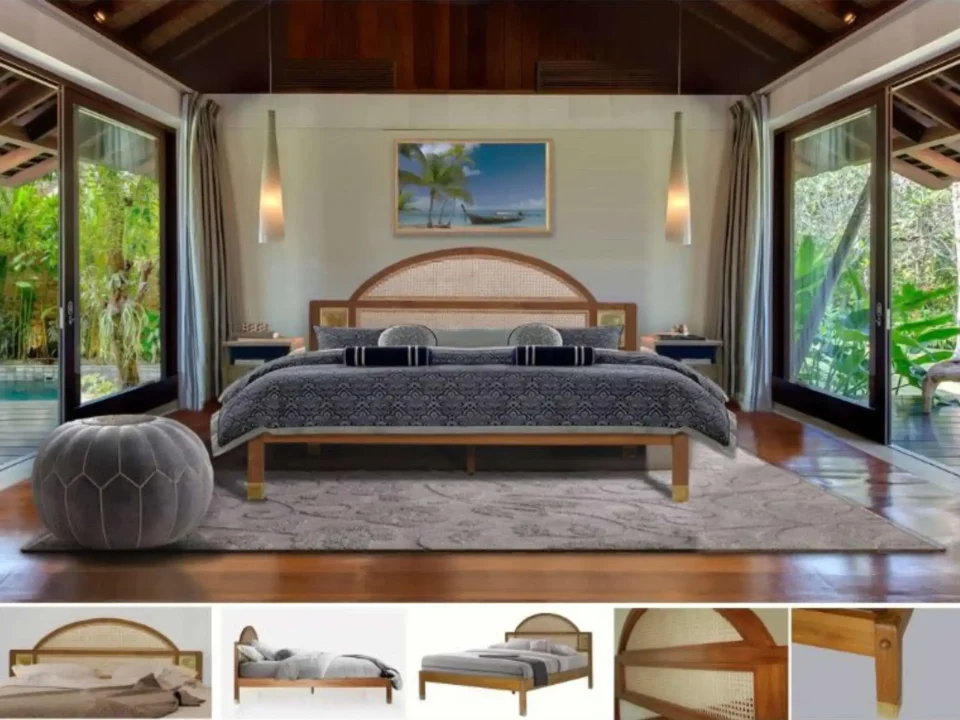
For example, a villa owner planning three bedrooms may need custom bed frames, wardrobes, bedside tables, desks, and additional storage furniture.
Providing this information early helps the manufacturer understand the project scope and prepare a more relevant proposal.
Why Accurate Measurements Matter
Furniture dimensions influence comfort, circulation, installation, and the overall appearance of an interior.
A beautifully designed wardrobe may become impractical if its doors cannot open fully. Similarly, a dining table may look proportionate in a rendering but restrict movement in the actual room.
For overseas clients, accurate measurements are particularly important because adjustments after manufacturing may require additional time and cost.
Whenever possible, arrange for the dimensions to be verified by a local architect, contractor, or property representative before final production approval.
Step 2: Choose a Reliable Bali Furniture Manufacturer
Selecting the right furniture manufacturer is one of the most important decisions in a remote project.
A reliable manufacturing partner should be able to discuss materials, construction details, design feasibility, production expectations, and delivery requirements.
Instead of choosing a supplier based solely on price, consider several practical factors.
Experience with Different Property Types
Furniture for a private residence may have different requirements from furniture intended for a busy restaurant or hotel.
Hospitality furniture often requires additional attention to durability, maintenance, and repeated daily use.
An experienced manufacturer should understand how design choices affect furniture performance in different environments.
Material Knowledge
A manufacturer should be able to explain why certain materials are appropriate for a specific application.
For example, solid wood may be suitable for selected furniture pieces, while engineered panels with suitable finishes may provide practical solutions for cabinetry and built-in storage.
Clear Project Communication
For overseas clients, consistent communication is essential.
Before confirming an order, discuss how design approvals, production updates, changes, and delivery arrangements will be handled.
It is also useful to identify one primary contact person responsible for coordinating the project.
Step 3: Select Materials Suitable for Bali’s Tropical Climate
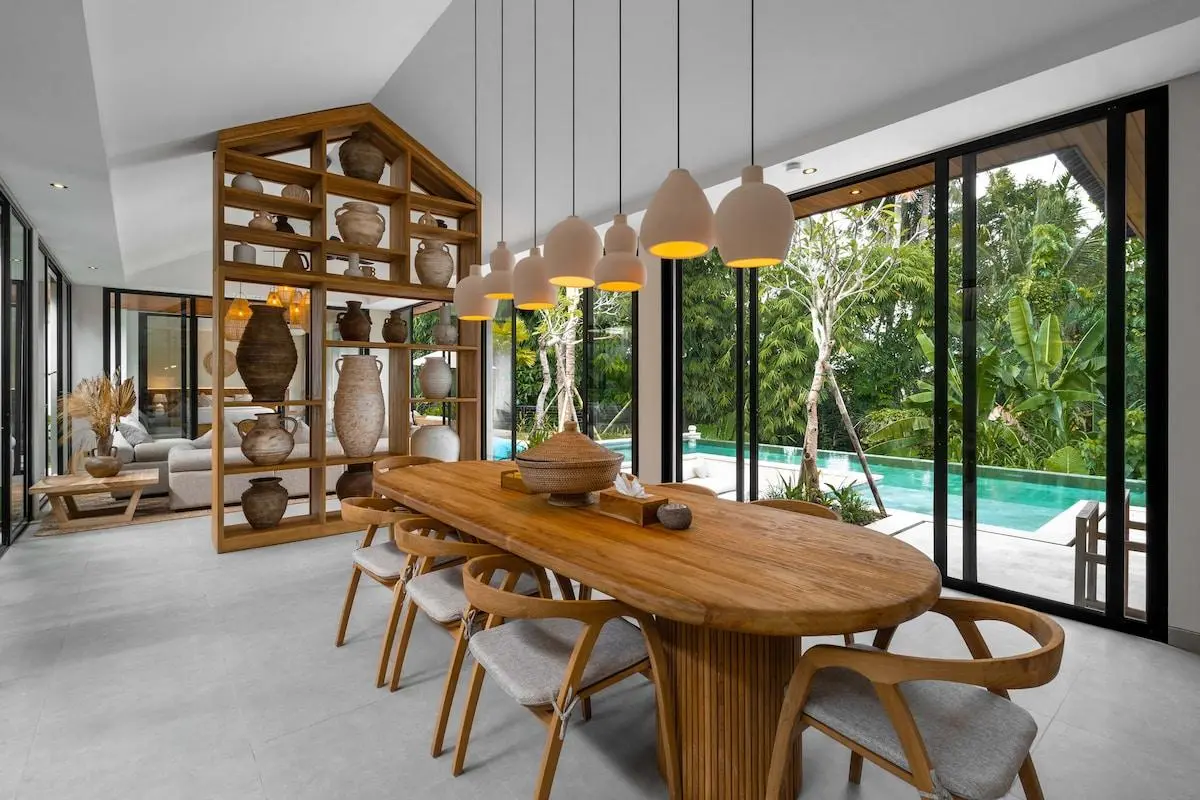
Bali’s warm and humid environment makes material selection an important part of furniture planning.
Humidity, ventilation, sunlight exposure, and daily usage can all influence the long-term performance of furniture.
Some commonly used materials include:
Teak Wood
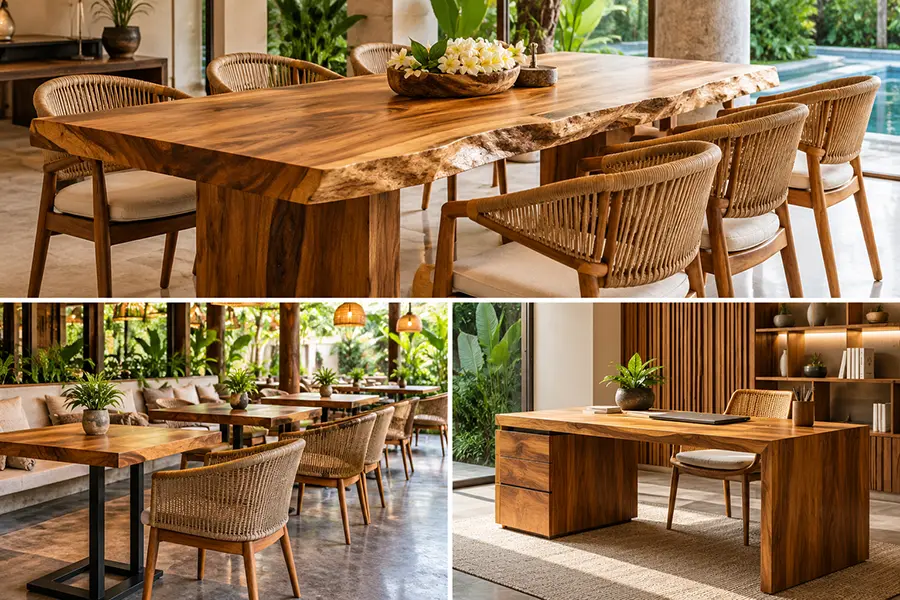
Teak is widely appreciated for its natural appearance and durability. Properly selected, dried, and finished teak can be suitable for various furniture applications, including dining tables, chairs, bed frames, and selected outdoor pieces.
Mahogany Wood
Mahogany offers an attractive appearance and can be used for cabinets, tables, decorative furniture, and interior elements.
Its suitability depends on wood quality, moisture control, construction, and finishing.
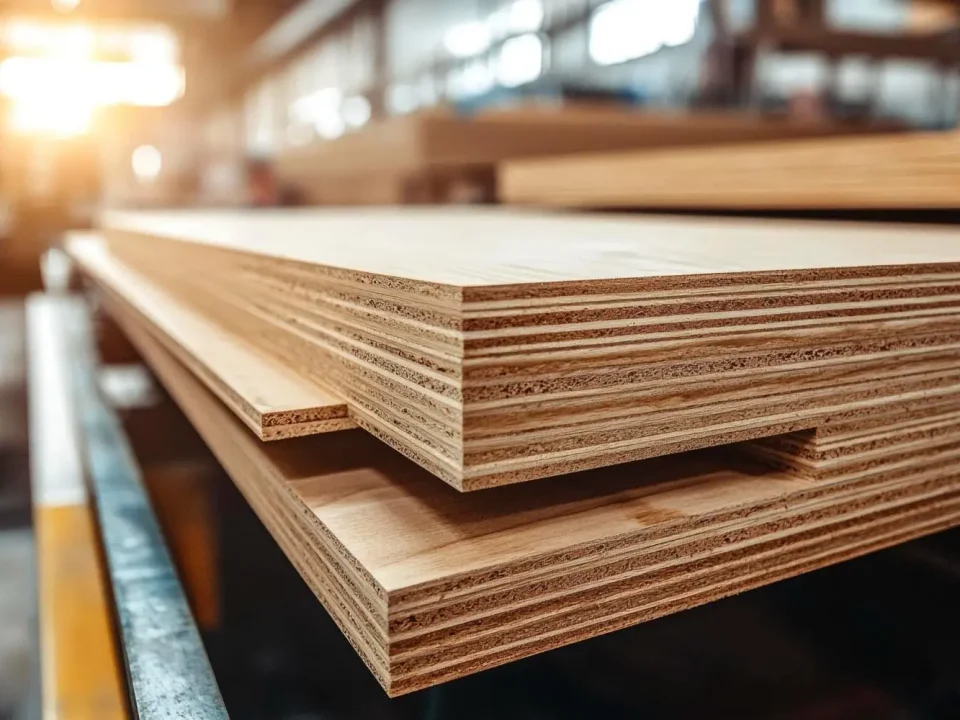
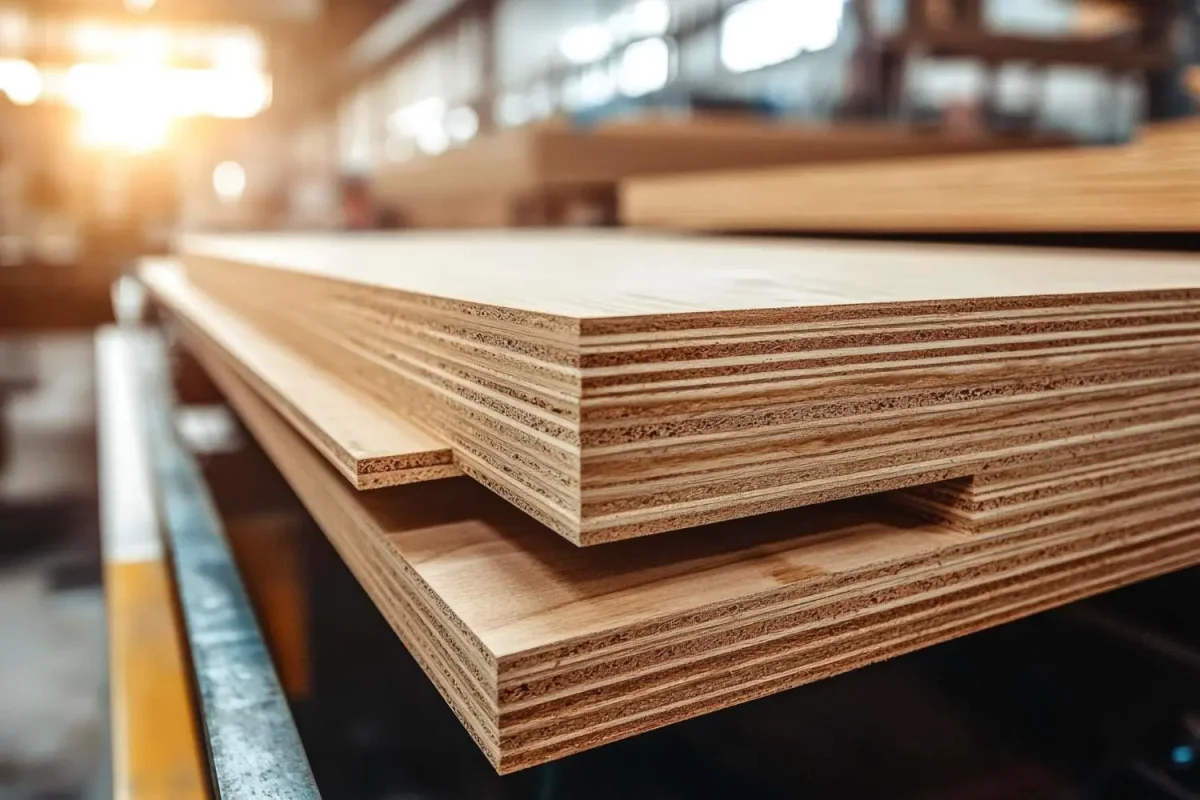
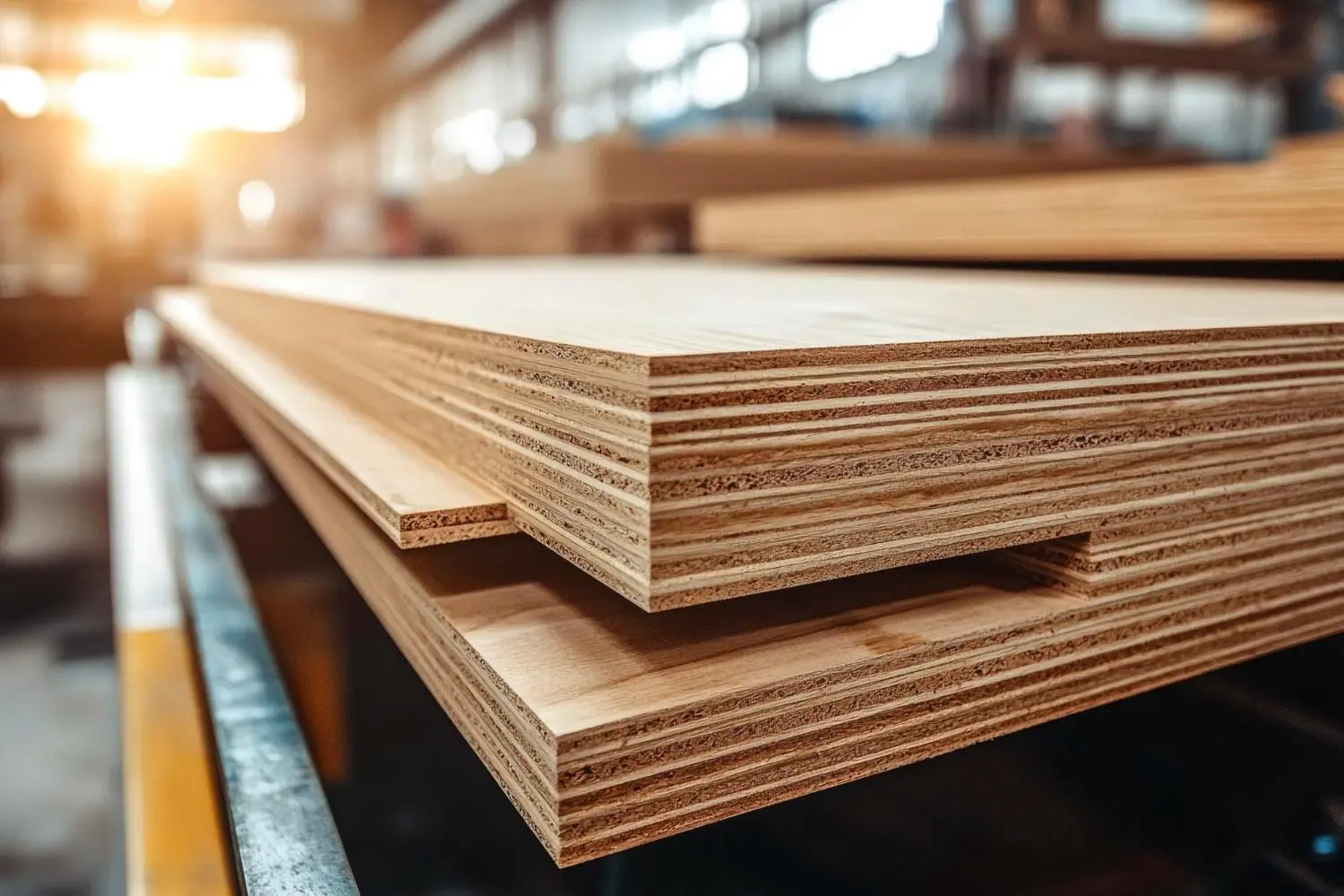
Plywood and Marine Plywood
Plywood is commonly used for cabinets, wardrobes, and other built-in furniture.
Marine plywood may be considered for applications where improved moisture resistance is required. However, it is not automatically waterproof, and exposed edges still need appropriate protection.
High-Pressure Laminate (HPL)
HPL provides a range of decorative finishes and is frequently used on cabinetry and furniture surfaces.
Its relatively easy maintenance makes it useful for many residential and commercial applications.
Rattan and Mixed Materials
Rattan, metal, wood, and other materials can be combined to create furniture that complements tropical, contemporary, or natural interior concepts.
The best material is not always the most expensive option. It is the material that suits the furniture’s intended function, location, maintenance requirements, and budget.
Step 4: Review the Quotation Before Confirming Your Order
Once the project requirements are clear, request a detailed quotation.
For international clients, a transparent quotation is particularly important because project details may be reviewed remotely.
A furniture quotation should ideally identify:
- Furniture descriptions and quantities.
- Dimensions and approved specifications.
- Primary materials and finishes.
- Unit prices and total project costs.
- Production and installation requirements.
- Estimated completion dates.
- Payment terms and revision conditions.
- Delivery, shipping, and applicable additional charges.
Do not assume that installation, transportation, international freight, customs duties, or insurance are included unless they are specifically stated.
If your project involves several rooms or furniture categories, request an itemized quotation to make budget comparisons easier.
Step 5: Understand the Custom Furniture Production Timeline
Custom furniture requires more planning than purchasing ready-made products.
The production timeline depends on furniture quantity, design complexity, material availability, finishing requirements, and workshop capacity.
According to Cakrawala Bali Furniture’s published FAQ, custom furniture production generally takes approximately 2–6 weeks, depending on project requirements. The actual schedule should be confirmed for each order.
For larger villa, hotel, or commercial projects, additional coordination may be required.
Overseas clients should also allow time for design approval, specification revisions, quality checks, delivery, and installation.
A practical approach is to confirm important milestones before manufacturing begins.
Step 6: Arrange Delivery and Installation
Delivery arrangements depend on whether the furniture will be installed at a property in Bali or shipped to another destination.
Delivery to a Property in Bali
If your furniture is intended for a villa, residence, or hospitality property in Bali, coordinate the delivery date with your local project manager or property representative.
Confirm that the site is ready to receive furniture, particularly when construction or renovation work is still underway.
Access routes, stairways, elevators, and installation space should also be checked in advance.
Read More : HPL vs Plywood vs Solid Wood: Furniture Guide
International Furniture Shipping
For furniture being shipped outside Indonesia, additional planning may be required.
International shipping arrangements can involve:
- Protective packaging and crating.
- Freight quotations.
- Cargo insurance.
- Export and import documentation.
- Customs requirements.
- Destination-specific restrictions.
- Final delivery arrangements.
Cakrawala Bali Furniture states that it can help facilitate international shipping through cargo partners. Specific destinations, costs, and arrangements should be confirmed directly with the team.
Step 7: Maintain Communication Throughout the Project
One of the biggest challenges in remote furniture manufacturing is ensuring that the finished products match the approved specifications.
To reduce misunderstandings, maintain a written record of important project decisions.
Useful documentation includes approved drawings, material selections, finish samples, dimensions, quotations, and agreed production milestones.
You can also discuss whether progress photographs or other updates can be provided during manufacturing.
Before delivery, confirm the agreed inspection and acceptance process.
This helps ensure that everyone understands the expected result.
Why Consider Cakrawala Bali Furniture & Interior?
For overseas property owners looking for custom furniture in Bali, working with an established local manufacturer can help simplify project coordination.
Cakrawala Bali Furniture & Interior has operated since 1999, providing made-to-order furniture solutions for residential and commercial projects.
Its experience covers a variety of property types, including:
- Private homes and villas.
- Hotels and resorts.
- Restaurants and cafés.
- Offices and commercial interiors.
- Spas, shops, and public facilities.
The company works with materials such as teak, mahogany, Bengkirai, plywood, marine plywood, HPL, metal, stainless steel, and rattan.
Clients can discuss furniture requirements based on their design concepts, measurements, material preferences, and intended applications.
Whether you are furnishing a new villa, renovating a private residence, or planning a hospitality project, discussing your requirements early can help establish a clearer manufacturing plan.
Frequently Asked Questions
Can I order custom furniture in Bali without visiting the showroom?
You can begin the consultation remotely by sharing your furniture requirements, design references, and dimensions. Discuss the available remote approval process with the manufacturer before confirming production.
How long does custom furniture production take in Bali?
Production time varies according to the design, materials, and order quantity. Cakrawala Bali Furniture publishes a general production estimate of 2–6 weeks, subject to project requirements.
Can I provide my own furniture design?
Yes. Cakrawala Bali Furniture accepts custom furniture inquiries based on sketches, reference images, and design concepts. Technical specifications should be reviewed before production.
Can furniture be delivered outside Bali?
Cakrawala Bali Furniture states that it can arrange shipping to other Indonesian cities and facilitate international shipping through cargo partners. Delivery availability and costs should be confirmed for the intended destination.
What is the best wood for furniture in Bali?
There is no single best wood for every application. Teak and mahogany are among the available options, but the appropriate material depends on the furniture’s purpose, construction, environment, and maintenance needs.
How much does custom furniture cost in Bali?
Prices depend on dimensions, materials, design complexity, finishing, and order quantity. Request an itemized quotation based on your project specifications for a more accurate estimate.
Is custom furniture suitable for villas and hotels?
Yes. Custom furniture allows dimensions, appearance, materials, and functionality to be adapted to specific residential and hospitality requirements.
Start Your Custom Furniture Project in Bali
Ordering custom furniture in Bali from overseas does not have to begin with a showroom visit.
By preparing clear design references, confirming measurements, selecting suitable materials, and discussing production and delivery arrangements, you can plan your furniture project more effectively.
Whether you are developing a private villa, renovating a home, or furnishing a hospitality property, the right manufacturing partner can help turn your design concept into practical furniture solutions.
Planning a furniture project in Bali?
Contact Cakrawala Bali Furniture & Interior to discuss your design requirements, preferred materials, project timeline, and custom furniture options.
Phone / WhatsApp: +62 851-0046-5237
Website: https://www.cakrawalabalifurniture.co.id/
Share your project details and request a personalized furniture consultation.