HPL vs Plywood vs Solid Wood: Which Material Is Best for Custom Furniture in Bali?
Choosing the right furniture material is an important decision when designing a home, villa, hotel, or commercial property. In Bali, where tropical humidity and daily usage can affect furniture performance, understanding the differences between materials can help you make a more practical investment.
One common question is HPL vs plywood vs solid wood: which is the best choice for custom furniture?
Although these materials are frequently mentioned together, they serve different purposes. HPL is primarily a decorative surface laminate, plywood is an engineered wood panel commonly used for furniture construction, and solid wood is natural timber used for structural and decorative applications.
Each offers different advantages in terms of appearance, durability, maintenance, design flexibility, and cost.
This guide explains how these materials work, where they are best used, and what property owners should consider before ordering custom furniture in Bali.
Understanding HPL, Plywood, and Solid Wood
Before comparing their advantages, it is important to understand the function of each material.
Read More : Teak Wood Furniture Bali | Custom Furniture Buying Guide
What Is HPL (High-Pressure Laminate)?
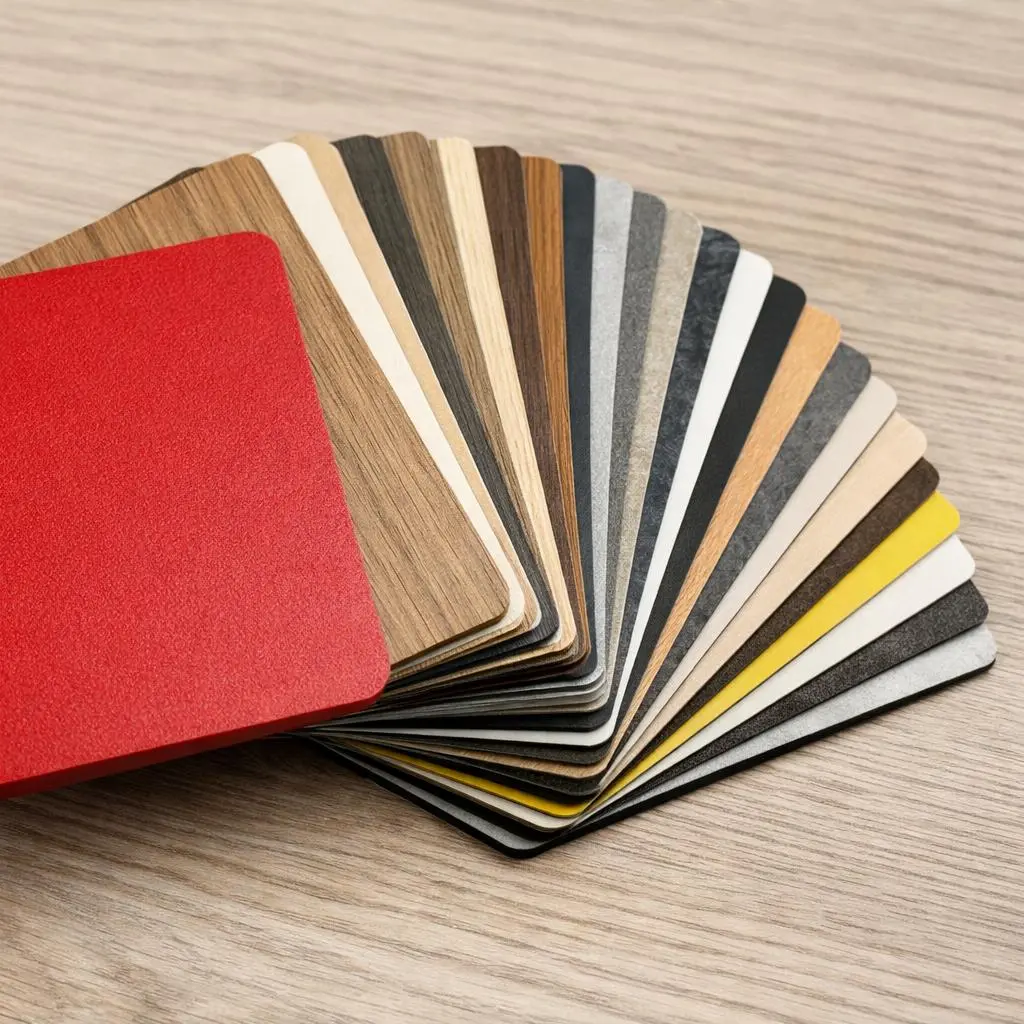
High-Pressure Laminate, commonly known as HPL, is a decorative surface material manufactured by pressing layers of resin-impregnated paper under heat and pressure.
HPL is generally applied over a suitable substrate, such as plywood or MDF, rather than used as the main structural material.
It is popular in modern furniture because it offers a wide variety of finishes, including wood grain, marble-inspired patterns, textured surfaces, and solid colors.
Advantages of HPL:
- Wide selection of colors and decorative finishes.
- Relatively easy to clean.
- Suitable for many frequently used interior surfaces.
- Consistent appearance across furniture panels.
- Often practical for contemporary furniture designs.
Limitations of HPL:
- It does not replace the structural function of the underlying board.
- Edges and joints require proper finishing.
- Damaged laminate can be difficult to repair invisibly.
- Poor installation may lead to lifting or peeling.
- Water can damage susceptible substrates if it enters through unsealed edges.
HPL is commonly used for kitchen cabinets, wardrobes, office furniture, reception counters, and built-in storage.
HPL vs Plywood vs Solid Wood / Cakrawala Bali Furniture
What Is Plywood?
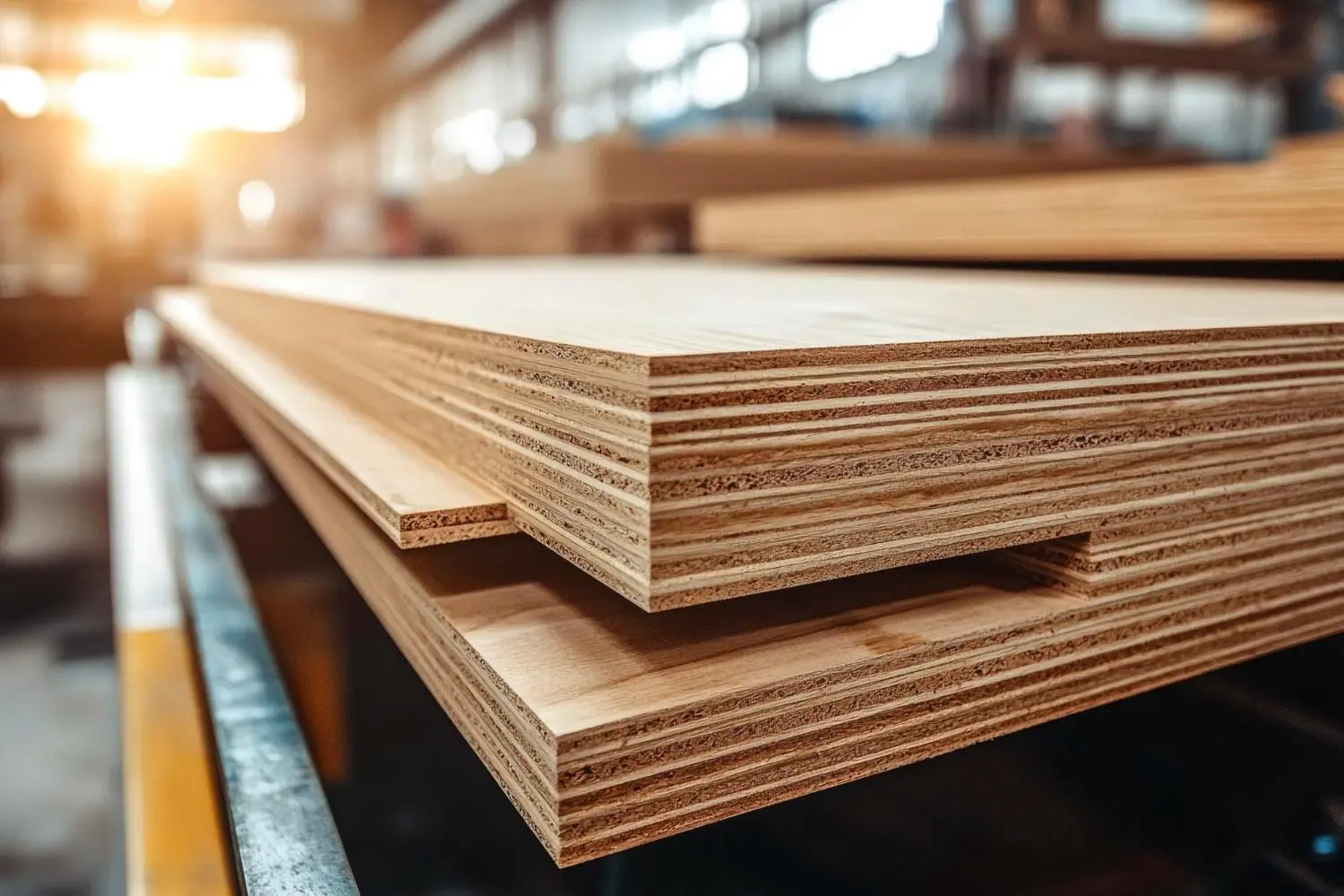
Plywood is an engineered wood product made by bonding multiple layers of wood veneer, typically with the grain direction alternating between adjacent layers.
This cross-layer construction provides dimensional stability and makes plywood useful for many furniture applications.
Plywood is often used as the structural core of cabinets, wardrobes, kitchen sets, shelves, and other built-in furniture.
Advantages of Plywood
Good dimensional stability: Its layered construction helps reduce some of the movement associated with solid timber.
Design flexibility: Plywood can be cut into various sizes and shapes for custom cabinetry.
Compatible with different finishes: Depending on its grade and surface quality, plywood can be finished with HPL, veneer, paint, or other suitable materials.
Practical for built-in furniture: It is commonly used for cabinet bodies, shelving, and storage systems.
Read More : Furniture Manufacturer Bali | Custom Furniture & Interior
Limitations of Plywood
Not all plywood products offer the same performance.
Quality depends on veneer grade, adhesive type, manufacturing standards, thickness, and intended application.
Standard interior plywood should not automatically be considered waterproof. Prolonged moisture exposure may cause swelling, deterioration, or delamination, particularly when the product is unsuitable for the environment.
For furniture installed in potentially damp areas, moisture-resistant specifications and proper edge protection should be discussed with the manufacturer.
What Is Solid Wood?
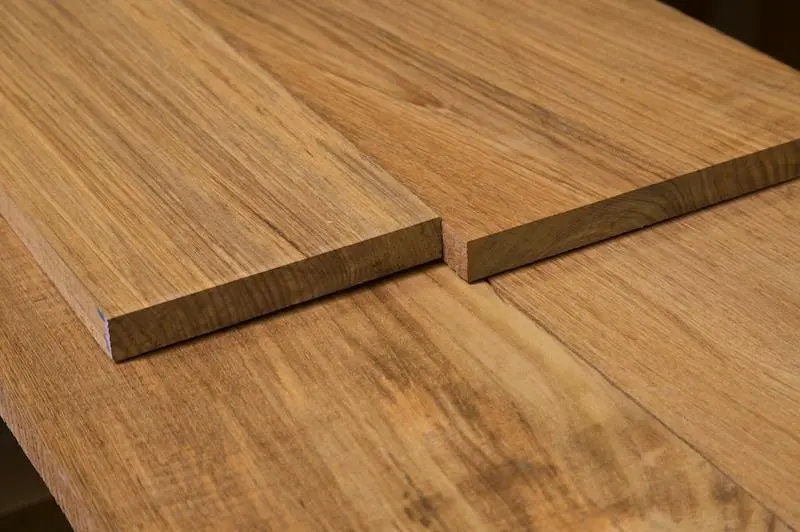
Solid wood is natural timber used to manufacture furniture components.
Popular hardwood choices for furniture include teak and mahogany, although suitability depends on the specific design and intended use.
Solid wood is appreciated for its natural grain patterns, distinctive texture, and timeless appearance.
Advantages of Solid Wood
Natural appearance: Each piece has unique grain patterns and color variations.
Repairability: Many solid wood surfaces can be sanded and refinished, depending on the construction and finish.
Long-term potential: Properly selected, dried, constructed, and maintained solid wood can provide many years of service.
Design character: Solid timber is suitable for dining tables, bed frames, chairs, decorative panels, and other furniture where natural wood is an important design element.
Limitations of Solid Wood
Solid wood responds to changes in environmental moisture.
Expansion, contraction, warping, or cracking may occur if timber is improperly dried, designed, or maintained.
Certain hardwoods may also cost more than engineered wood alternatives.
Solid wood furniture therefore requires appropriate construction techniques, suitable finishing, and reasonable environmental conditions.
HPL vs Plywood vs Solid Wood: Comparison Table
The following table summarizes their main differences.
| Feature | HPL | Plywood | Solid Wood |
|---|---|---|---|
| Material type | Surface laminate | Engineered wood panel | Natural timber |
| Main purpose | Decorative and protective finish | Furniture construction | Structural and decorative furniture |
| Appearance | Many colors and patterns | Depends on veneer or finish | Natural wood grain |
| Maintenance | Usually easy to clean | Depends on finish | Depends on wood and finish |
| Moisture performance | Depends on grade, substrate, and joints | Depends on grade and sealing | Depends on species, construction, and finish |
| Repairability | Limited for surface damage | Varies by construction | Often suitable for refinishing |
| Cost | Additional finishing component | Varies by grade and thickness | Varies significantly by species and quality |
An important distinction is that HPL and plywood are often used together, while solid wood may be used independently or combined with other materials.
Therefore, these three materials are not always direct substitutes.
Which Material Is Best for Kitchen Cabinets in Bali?
Kitchen cabinets require careful consideration because they are exposed to frequent cleaning, occasional splashes, and changes in humidity.
For many indoor kitchen projects, quality plywood combined with a suitable HPL finish can be a practical solution.
Plywood provides the cabinet structure, while HPL creates the decorative surface.
However, proper edge sealing, suitable hardware, ventilation, and protection around sinks are equally important.
Solid wood can also be used for cabinet doors, decorative features, and selected structural components.
The best option depends on the kitchen layout, budget, expected usage, and design concept.
For areas with frequent water exposure, discuss suitable moisture-resistant board grades and installation details before production.
Which Material Is Best for Wardrobes?
Wardrobes are commonly constructed using plywood or other engineered panels because these materials allow for efficient cabinet layouts and consistent dimensions.
An HPL finish offers numerous design possibilities, from minimalist solid colors to realistic wood-grain patterns.
Solid wood may be preferred for decorative doors, frames, or furniture designs that emphasize natural timber.
For wardrobes in Bali, ventilation and humidity management are especially important.
A poorly ventilated wardrobe may develop moisture-related problems regardless of the material selected.
Which Material Is Best for Dining Tables?
Dining tables have different requirements from built-in cabinetry.
Solid wood is a popular choice for dining tables because it offers natural texture and visual character.
Teak, for example, is frequently selected for furniture where the appearance of natural hardwood is desirable.
Alternatively, a suitable engineered wood tabletop with a durable laminate finish may be practical for certain modern interiors.
When selecting a dining table, consider the expected frequency of use, cleaning requirements, surface protection, and whether the table will be placed indoors or outdoors.
Best Furniture Materials for Bali Villas and Hotels
Villas and hotels require furniture that balances design, comfort, maintenance, and frequent use.
Different furniture components may benefit from different materials.
Read More : Custom Furniture Restaurant in Bali: Creating Unique Dining Spaces with Cakrawala Furniture
Villa Bedrooms
Solid wood can create a warm and natural atmosphere for bed frames and decorative elements.
Plywood with an appropriate surface finish can be useful for wardrobes, bedside cabinets, and built-in storage.
Hotel Guest Rooms
For guest rooms, furniture should be selected with maintenance and long-term usage in mind.
Laminate-finished cabinetry can provide a consistent appearance, while solid wood details may add a premium visual character.
Restaurant Furniture
Dining tables, chairs, service counters, and storage furniture experience different levels of wear.
Material selection should consider cleaning frequency, expected loads, repairability, and the restaurant’s interior concept.
Outdoor Areas
Outdoor furniture requires separate consideration.
Standard indoor HPL, plywood, and untreated timber should not automatically be considered suitable for direct exposure to rain and sunlight.
Exterior-rated materials, appropriate finishes, suitable joinery, and regular maintenance are essential.
How Bali’s Tropical Climate Affects Furniture Materials
Bali has a tropical climate, making moisture management an important consideration for furniture design.
Humidity can affect wood-based products, particularly when materials are improperly selected or installed.
Several practical steps can help reduce problems:
- Select materials suitable for the installation environment.
- Use appropriately dried timber.
- Protect vulnerable panel edges and joints.
- Avoid prolonged contact with standing water.
- Provide adequate ventilation.
- Maintain furniture according to the manufacturer’s recommendations.
No furniture material is completely maintenance-free or immune to environmental damage.
A well-designed furniture system considers the substrate, surface finish, hardware, construction details, and actual conditions of use.
Is HPL Furniture Cheaper Than Solid Wood?
Furniture prices cannot be compared accurately based on the surface material alone.
A cabinet constructed from plywood with HPL finishing has different production requirements from a solid wood cabinet.
Cost depends on several factors, including:
- Material grade and thickness.
- Wood species.
- Furniture dimensions.
- Hardware and accessories.
- Surface finishing.
- Design complexity.
- Production and installation requirements.
HPL-finished engineered wood furniture may offer a cost-effective solution for certain applications, while solid wood may be preferred for its natural appearance and refinishing potential.
However, neither option is always cheaper.
For a reliable comparison, request quotations using the same dimensions, functions, and clearly defined specifications.
Common Mistakes When Choosing Furniture Materials
Choosing Materials Based Only on Appearance
A beautiful surface does not guarantee suitable structural performance.
Always consider how the furniture will be used.
Assuming All Plywood Is Waterproof
Plywood products have different grades and adhesive specifications.
Not every plywood panel is suitable for damp environments.
Ignoring Edge Protection
Poorly sealed panel edges can allow moisture to reach the substrate.
This can affect the long-term condition of cabinets and other furniture.
Assuming Solid Wood Never Changes Shape
Natural timber responds to environmental conditions.
Proper drying, construction, and maintenance remain important.
Comparing Prices Without Specifications
Two cabinets may look almost identical but use different panel grades, hardware, finishing systems, and construction methods.
A detailed quotation helps customers understand these differences.
Custom Furniture Material Selection with Cakrawala Bali Furniture
Selecting the right furniture material requires an understanding of both design and practical requirements.
Established in 1999, Cakrawala Bali Furniture & Interior provides made-to-order furniture solutions for residential and commercial projects in Bali.
The company works with various materials, including teak, mahogany, Bengkirai, plywood, marine plywood, HPL, metal, rattan, and other materials according to project requirements.
Whether you are planning kitchen cabinets, wardrobes, dining tables, villa furniture, or hotel interiors, discussing the intended use and installation environment can help determine suitable material combinations.
For more information, explore the custom furniture services and project portfolio at Cakrawala Bali Furniture.
Frequently Asked Questions
Is HPL better than plywood?
HPL and plywood serve different functions. HPL is generally used as a surface finish, while plywood provides structural support. They are often combined in furniture manufacturing.
Is solid wood better than plywood for furniture?
Not necessarily. Solid wood offers natural character and potential refinishing advantages, while plywood is often practical for cabinet construction and built-in furniture. The best choice depends on the application.
Is HPL suitable for kitchen cabinets?
HPL can be a suitable finish for indoor kitchen cabinets when applied to an appropriate substrate with properly finished edges and joints.
Can plywood furniture last for many years?
Yes. Well-designed plywood furniture can provide long service life when appropriate materials, construction, finishing, and maintenance are used.
Which material is best for furniture in Bali’s humid climate?
There is no single best material for every situation. Consider the furniture’s location, ventilation, moisture exposure, construction, and maintenance requirements.
Is solid teak suitable for villa furniture?
Solid teak can be suitable for many indoor furniture applications. Its suitability for outdoor use depends on the design, timber quality, finishing, exposure conditions, and maintenance.
Conclusion
When comparing HPL vs plywood vs solid wood, the most important consideration is how each material contributes to the furniture’s function and appearance.
HPL provides decorative surface options, plywood offers practical structural applications, and solid wood delivers natural texture and distinctive character.
For many custom furniture projects in Bali, combining materials may provide a more balanced solution than relying on only one.
If you are planning furniture for your home, villa, hotel, restaurant, or commercial property, contact Cakrawala Bali Furniture to discuss suitable materials, design requirements, and custom furniture options.