Custom Furniture from Architectural Drawings in Bali: From Design Concept to Finished Furniture
Creating bespoke furniture for luxury villas, private residences, hotels, and architectural projects in Bali.
A beautifully designed interior begins with a clear vision. Architects and interior designers carefully consider proportions, materials, spatial relationships, and the way each element contributes to the overall atmosphere. Yet translating that vision into physical furniture requires more than an attractive rendering.
It requires an understanding of materials, construction methods, dimensions, finishes, and the practical details that influence the final result.
For architects, interior designers, villa owners, and property developers, custom furniture from architectural drawings in Bali offers an opportunity to create interiors that reflect the original design concept rather than relying entirely on ready-made furniture.
At Cakrawala Bali Furniture & Interior, made-to-order furniture is part of the company’s longstanding approach to residential and commercial projects. Established in 1999, Cakrawala works with furniture requirements for private homes, villas, hotels, restaurants, offices, and other interior environments.
Whether a project begins with detailed technical drawings, a three-dimensional visualization, or a collection of design references, the objective is to develop furniture that responds to the space, its intended function, and the client’s aesthetic preferences.
Can Furniture Be Made Directly from Architectural Drawings?
Yes. Custom furniture can be developed from architectural drawings, furniture detail drawings, sketches, and interior design specifications. These documents provide a starting point for establishing dimensions, proportions, materials, finishes, and construction requirements.
However, not every architectural drawing contains all the information required for manufacturing.
A three-dimensional rendering may communicate the intended appearance of a dining table, for example, without specifying how its legs connect to the tabletop or which material should be used for its internal structure.
Similarly, an elevation drawing may illustrate a wardrobe’s appearance without detailing its hinges, drawer runners, internal compartments, or installation clearances.
These details need to be considered before production.
For premium residential and hospitality projects, this coordination is particularly important because the furniture must satisfy both the design vision and the practical expectations of everyday use.
Read More : Teak Wood Furniture Bali | Custom Furniture Buying Guide
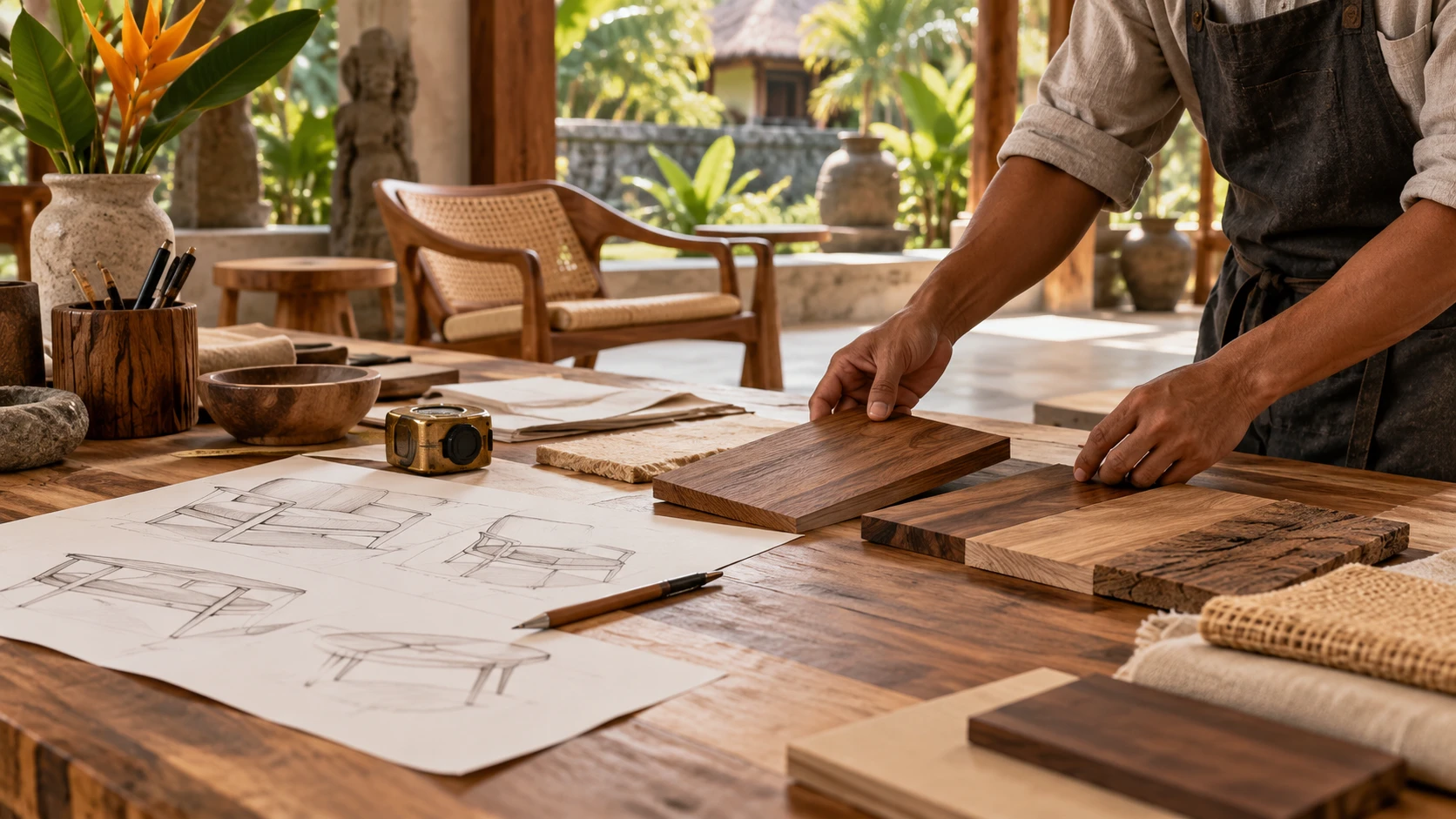
Understanding the Different Types of Furniture Drawings
Architects and designers use several types of documentation throughout the design process. Each serves a different purpose when developing bespoke furniture.
1. Concept Sketches and Moodboards
Concept sketches establish the creative direction of a project.
They may illustrate furniture silhouettes, material combinations, decorative details, or a particular design language.
Moodboards complement these sketches by presenting color palettes, textures, finishes, and visual references.
Although they may not provide sufficient information for immediate manufacturing, they help communicate the intended character of the furniture.
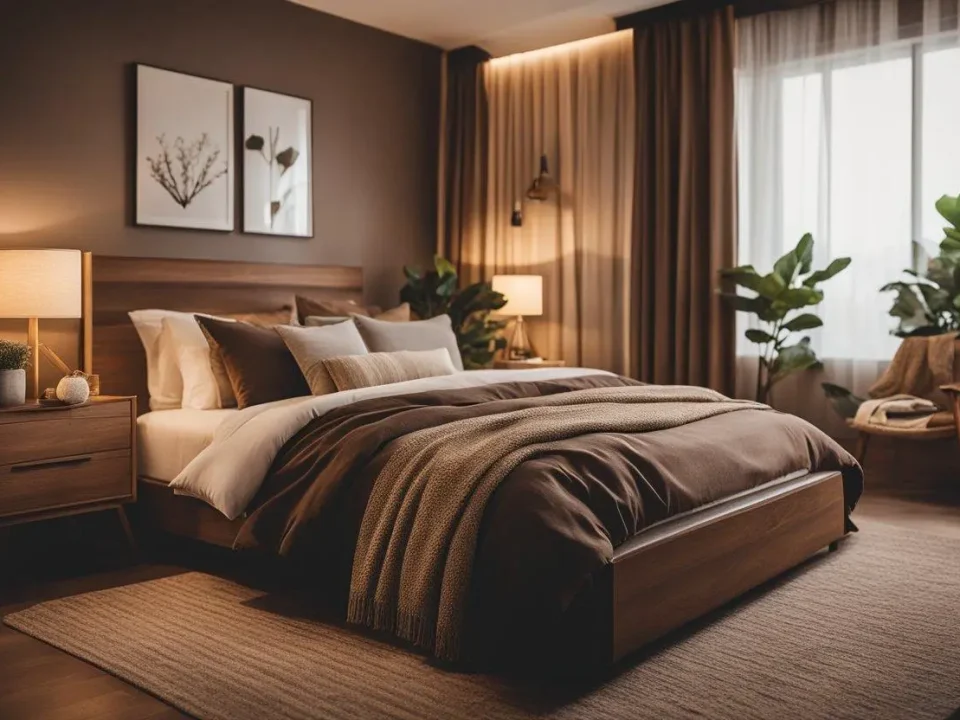
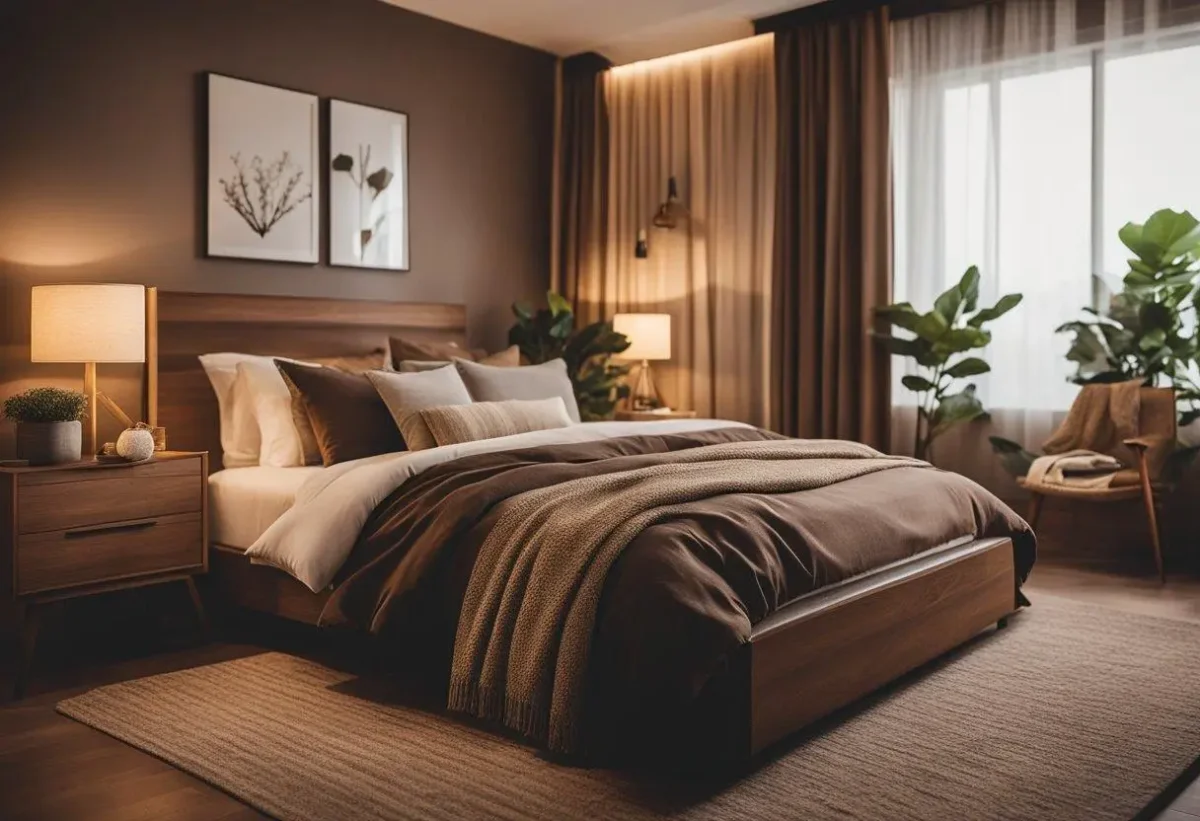
For example, a contemporary tropical villa may feature warm timber tones, woven textures, understated upholstery, and simple architectural forms.
2. 3D Renderings and Visualizations
Three-dimensional renderings help clients understand how furniture will appear within a completed interior.
They illustrate scale, composition, material relationships, and the atmosphere of the space.
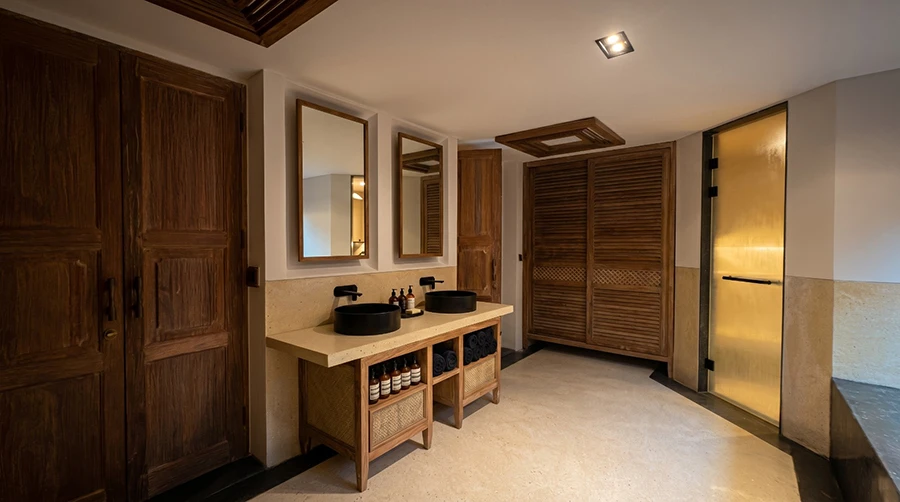
For luxury projects, renderings are especially useful when coordinating furniture with architectural features such as large windows, natural stone walls, timber ceilings, and integrated lighting.
However, a rendering should generally be supported by dimensional and technical information before manufacturing begins.
3. Technical Furniture Drawings
Technical drawings communicate the measurable details of a furniture design.
Depending on the product, they may include:
- Overall width, depth, and height
- Front, side, and top elevations
- Section drawings
- Material thicknesses
- Joinery and connection details
- Hardware specifications
- Upholstery dimensions
- Installation requirements
These drawings help establish a common understanding between the designer, client, and furniture maker.
4. Material and Finish Specifications
Material schedules identify the intended appearance and construction materials of each furniture item.
They may specify timber species, engineered boards, veneers, metal finishes, upholstery fabrics, or decorative elements.
For premium furniture, material selection should consider more than appearance. Durability, maintenance, environmental conditions, and intended use are equally important.
From Architectural Design to Furniture Production: Key Stages
Turning a design into finished furniture involves several decisions that influence quality, functionality, and visual consistency.
The following stages provide a practical framework for architects and clients planning a bespoke furniture project.
Stage 1: Reviewing the Design Requirements
The process begins by understanding what the furniture is expected to achieve.
A designer may provide a complete drawing package, while a private homeowner may begin with a reference image and approximate measurements.
Important considerations include the furniture’s intended location, functional requirements, preferred materials, design complexity, and project schedule.
For example, a custom dining table for a private residence has different requirements from a dining table intended for a busy hotel restaurant.
The design may appear similar, but its construction, surface finish, and maintenance requirements can differ significantly.
Stage 2: Confirming Dimensions and Site Conditions
Accurate measurements are essential, particularly for furniture that must fit within architectural elements.
Built-in wardrobes, kitchen cabinetry, reception counters, and wall-mounted storage systems require careful consideration of surrounding walls, floors, ceilings, and service connections.
Architectural dimensions should be checked against actual site conditions where necessary.
A small discrepancy between a drawing and the completed building can affect door clearance, cabinet alignment, or installation.
For this reason, final dimensions should be confirmed before manufacturing begins.
Stage 3: Selecting Appropriate Materials
Material selection is one of the most important decisions in bespoke furniture manufacturing.
Cakrawala Bali Furniture works with a range of materials, including teak, mahogany, Bengkirai, plywood, marine plywood, HPL, metal, rattan, and other decorative materials.
Each material has different characteristics.
Solid timber is often selected for its natural appearance, tactile quality, and suitability for certain structural and decorative applications.
Engineered wood products can provide dimensional consistency and flexibility for cabinetry and interior furniture, provided the correct grade and construction method are selected.
Metal components may be incorporated into contemporary furniture for structural support or decorative contrast.
Rattan and woven elements can introduce texture and a connection to Bali’s tropical design character.
The most appropriate choice depends on the furniture’s design, location, construction requirements, maintenance expectations, and budget.
Read More : Custom Furniture Bali | Bespoke Furniture Made to Order
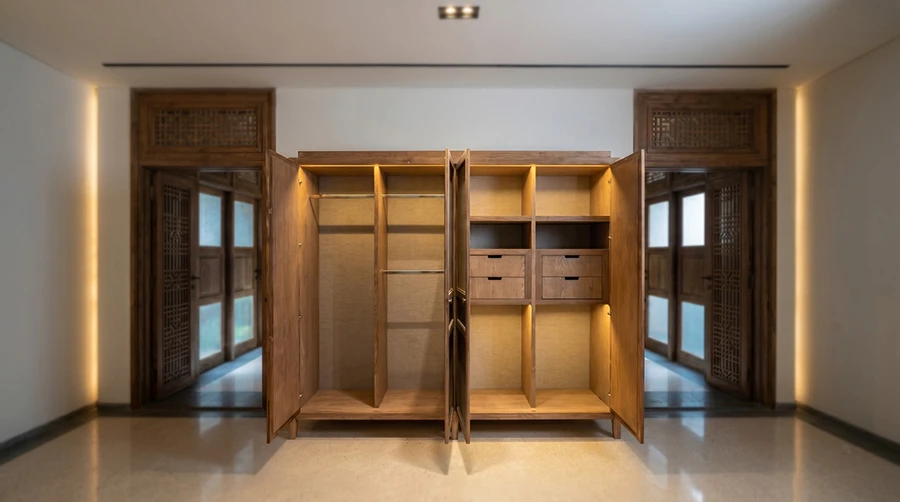
Stage 4: Refining Construction Details
A successful furniture design must work as a physical object, not only as a visual concept.
Before production, construction considerations may include structural support, joint placement, material movement, hardware selection, and the interaction between different materials.
A floating vanity, for example, requires appropriate support and wall-fixing considerations.
A large solid timber tabletop may need construction details that accommodate natural wood movement.
A wardrobe with integrated lighting requires coordination between cabinet dimensions, electrical components, and installation access.
Addressing these details early can reduce avoidable revisions during production.
Stage 5: Approving Samples and Finishes
Color and material appearance can vary depending on lighting conditions, wood grain, surface preparation, and finishing methods.
For projects where visual consistency is important, physical material or finish samples can help establish expectations.
Architects and clients may wish to confirm timber tones, upholstery textures, metal finishes, and surface sheen before proceeding with multiple furniture pieces.
Sample approval is particularly valuable when the same furniture design will be repeated across several rooms or properties.
The availability and scope of sampling should be agreed upon with the furniture supplier.
Stage 6: Manufacturing and Quality Review
Once the design specifications are agreed upon, furniture can move into manufacturing.
The production approach depends on the selected materials, complexity, and construction requirements.
Important considerations include dimensional accuracy, structural stability, surface preparation, finishing consistency, and the proper operation of moving components.
For premium furniture, quality is not defined by appearance alone.
Drawer movement, door alignment, comfortable proportions, and the durability of frequently used surfaces all contribute to the experience of the finished product.
Stage 7: Delivery and Installation Planning
The final stage involves coordinating delivery and, where required, installation.
Large furniture pieces may need special consideration for access through doors, staircases, elevators, and narrow corridors.
Built-in furniture also requires appropriate site readiness and coordination with other trades.
For villas, hotels, and commercial properties, delivery schedules should be aligned with the overall project timeline.
The specific production, delivery, and installation arrangements should be confirmed for each project.
Why Bespoke Furniture Matters in Luxury Architectural Projects
Luxury interiors are not necessarily defined by elaborate decoration or expensive materials.
Often, their most distinctive quality is consistency.
The relationship between furniture, architecture, lighting, and materials creates an environment that feels carefully considered.
Furniture Designed Around the Architecture
Ready-made furniture is manufactured according to predetermined dimensions.
Bespoke furniture offers greater flexibility to respond to unusual room proportions, architectural niches, ceiling heights, and specific layout requirements.
This is particularly valuable in villas and residences where furniture is intended to complement the building rather than compete with it.
Greater Control Over Design Details
Custom manufacturing allows designers to specify elements such as furniture proportions, edge profiles, upholstery, material combinations, and finishes.
A seemingly small detail, such as the thickness of a tabletop or the position of a cabinet handle, can significantly influence the overall visual result.
Consistency Across Multiple Spaces
Luxury villas and boutique hotels often require coordinated furniture across several rooms.
A consistent design language can be developed through repeated materials, complementary forms, and carefully selected finishes.
This does not mean every room must contain identical furniture.
Instead, individual pieces can respond to different functions while remaining connected to the overall interior concept.
Furniture Adapted to Its Intended Use
A private residence, holiday villa, and commercial hospitality property each place different demands on furniture.
In a private home, personalization and comfort may be the primary considerations.
In a hospitality environment, ease of cleaning, durability, replacement planning, and maintenance are also important.
Custom furniture provides an opportunity to address these requirements during the design process.
Choosing Furniture Materials for Bali’s Tropical Climate
Bali’s warm, humid environment makes material selection and furniture placement particularly important.
Humidity, temperature fluctuations, ventilation, sunlight, and proximity to the coast can influence the performance of furniture over time.
For timber furniture, appropriate drying, construction, and finishing methods help manage the effects of environmental changes.
For cabinetry, board selection, edge protection, and suitable hardware are important considerations, particularly in areas exposed to moisture.
Coastal properties may also require additional attention to metal corrosion, outdoor exposure, and maintenance.
It is important to distinguish between furniture designed for indoor use, sheltered outdoor areas, and fully exposed outdoor environments.
No single material is automatically suitable for every application.
A thoughtful specification balances aesthetics, durability, maintenance, and the conditions in which the furniture will be used.
Custom Furniture for Architects and Interior Designers in Bali
Architects and interior designers frequently work with furniture that must meet precise design requirements.
A furniture manufacturing partner should be able to understand the design intent while communicating practical considerations that may affect production.
For a successful collaboration, the following information is particularly useful:
- Furniture drawings with clear dimensions
- A furniture schedule identifying each item
- Material and finish specifications
- Reference photographs or 3D renderings
- Quantity requirements
- Project location and installation conditions
- Target delivery dates
- A clear process for reviewing design revisions
Providing this information helps reduce ambiguity and makes it easier to evaluate the scope of work.
It also allows the architect or designer to maintain greater control over the final aesthetic direction.
For international designers managing projects remotely, clear documentation and agreed approval procedures are especially valuable.
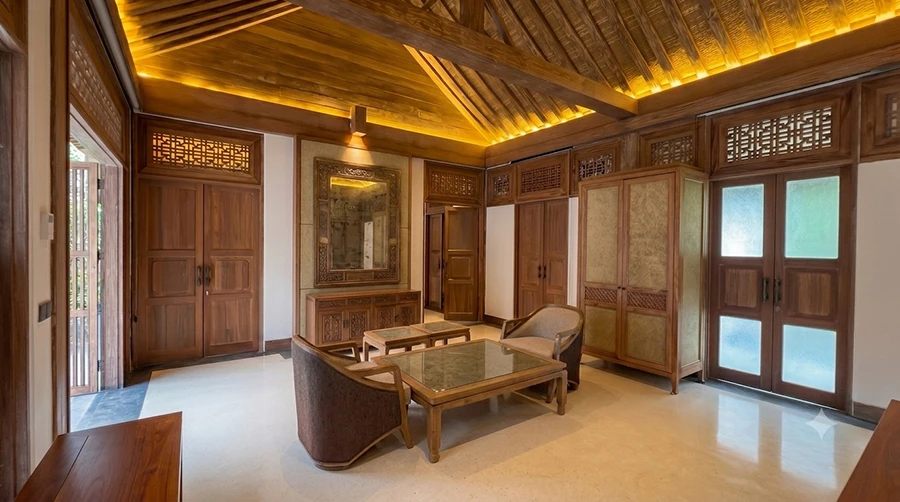
Furniture Manufacturing for Luxury Villas and Hospitality Projects
Bali’s residential and hospitality properties often combine contemporary architecture with natural materials and tropical surroundings.
Furniture plays an important role in supporting this identity.
For luxury villas, bespoke furniture may include dining tables, bed frames, bedside cabinets, wardrobes, sofas, consoles, and integrated storage.
Boutique hotels and resorts may require coordinated bedroom furniture, lobby seating, reception counters, restaurant furniture, and selected decorative pieces.
Commercial environments introduce additional considerations, including frequency of use, guest comfort, cleaning requirements, and operational efficiency.
Developing furniture around a coordinated design specification can help create a more cohesive experience across the property.
How to Prepare a Furniture Drawing Package for a Quotation
One of the most practical ways to begin a custom furniture project is to prepare a clear furniture schedule.
This document identifies the individual furniture items required for the project.
A simple schedule might include:
| Furniture Item | Key Information |
|---|---|
| Dining Table | Dimensions, timber species, finish, quantity |
| Dining Chair | Dimensions, frame material, upholstery, quantity |
| Wardrobe | Elevations, internal layout, hardware, finish |
| Bed Frame | Mattress size, frame dimensions, headboard design |
| Reception Counter | Technical drawings, material specifications, site dimensions |
The more clearly the requirements are defined, the easier it becomes to discuss production feasibility and pricing.
However, a fully completed drawing package is not always necessary for an initial conversation.
Concept sketches, moodboards, photographs, and preliminary dimensions can also help establish the direction of a project.
What Influences the Cost of Custom Furniture in Bali?
Custom furniture pricing depends on several factors rather than a single standard rate.
These typically include material selection, furniture dimensions, construction complexity, finishing requirements, upholstery, hardware, order quantity, and delivery or installation conditions.
A relatively simple-looking cabinet may require expensive hardware or complex internal construction.
Conversely, a visually detailed furniture piece may be relatively straightforward to manufacture when its dimensions and materials are standardized.
For premium projects, comparing quotations solely on price can be misleading.
It is more useful to understand exactly what each quotation includes, such as material grades, construction details, finishes, hardware, transportation, and installation.
A detailed specification allows clients to evaluate value more accurately.
Working with Cakrawala Bali Furniture & Interior
Established in 1999, Cakrawala Bali Furniture & Interior provides made-to-order furniture solutions for residential and commercial spaces.
The company’s experience includes furniture requirements for villas, hotels, restaurants, spas, private residences, offices, and other property types.
For architects, interior designers, developers, and property owners, Cakrawala offers an opportunity to discuss custom furniture based on project drawings, dimensions, design references, and material preferences.
Whether you are planning a contemporary villa, a refined private residence, or a hospitality interior, the starting point is understanding what the design needs to achieve.
Furniture should not simply occupy a space. It should complement the architecture, support its intended function, and contribute to the experience of the people using it.
Read More : Custom Furniture Bali: Is Your Villa Furniture Designed for Bali?
Frequently Asked Questions
Can Cakrawala Bali Furniture manufacture furniture from an architect’s drawings?
Yes. Cakrawala Bali Furniture accepts custom furniture enquiries based on architectural drawings, technical furniture drawings, sketches, and design references. The specifications can be reviewed to determine the appropriate dimensions, materials, finishes, and production requirements.
Do I need complete technical drawings before requesting a quotation?
Not necessarily. You can begin with reference images, preliminary dimensions, or design concepts. However, detailed drawings and material specifications are useful for preparing a more accurate quotation.
Can international architects and interior designers work with a furniture maker in Bali?
Yes. International architects and interior designers can discuss project requirements with Bali-based furniture suppliers. Clear drawings, specifications, approval procedures, and communication are especially important when the project is coordinated remotely.
What types of custom furniture can be made from architectural drawings?
Common examples include dining tables, chairs, sofas, bed frames, wardrobes, kitchen cabinetry, reception counters, consoles, and other residential or commercial furniture. Production feasibility depends on the design and specifications.
Can furniture materials and finishes be customized?
Yes. Material and finish options can be discussed according to the design requirements, intended use, and availability. Options may include solid timber, engineered boards, metal components, upholstery, and decorative materials.
How long does custom furniture manufacturing take in Bali?
The timeline depends on design complexity, material availability, quantity, and production requirements. Cakrawala’s general FAQ indicates approximately two to six weeks for custom furniture, although larger or more complex projects may require a separately agreed schedule.
Is custom furniture suitable for luxury villa developments?
Yes. Custom furniture can be particularly useful for luxury villas because it allows furniture dimensions, materials, and design details to be coordinated with the architectural concept and intended use of each space.
How do I start a custom furniture project with Cakrawala Bali Furniture?
Prepare your available drawings, furniture references, approximate dimensions, preferred materials, quantities, and project location. Contact the Cakrawala team to discuss the requirements and next steps.
Bring Your Architectural Furniture Designs to Life in Bali
Every architectural project has its own identity.
The right furniture helps translate that identity into a comfortable, functional, and visually cohesive environment.
Whether you are an architect developing a detailed furniture package, an interior designer refining a residential concept, or a property owner furnishing a luxury villa, bespoke furniture offers the flexibility to create pieces that belong naturally within the space.
Cakrawala Bali Furniture & Interior welcomes enquiries for custom furniture based on architectural drawings, interior design concepts, and project-specific requirements.
Share your design drawings, material preferences, and project details to begin a conversation about your furniture requirements.
Discuss Your Custom Furniture Project
Cakrawala Bali Furniture & Interior
Bali, Indonesia
WhatsApp: +62 851-0046-5237
Website: https://www.cakrawalabalifurniture.co.id/